
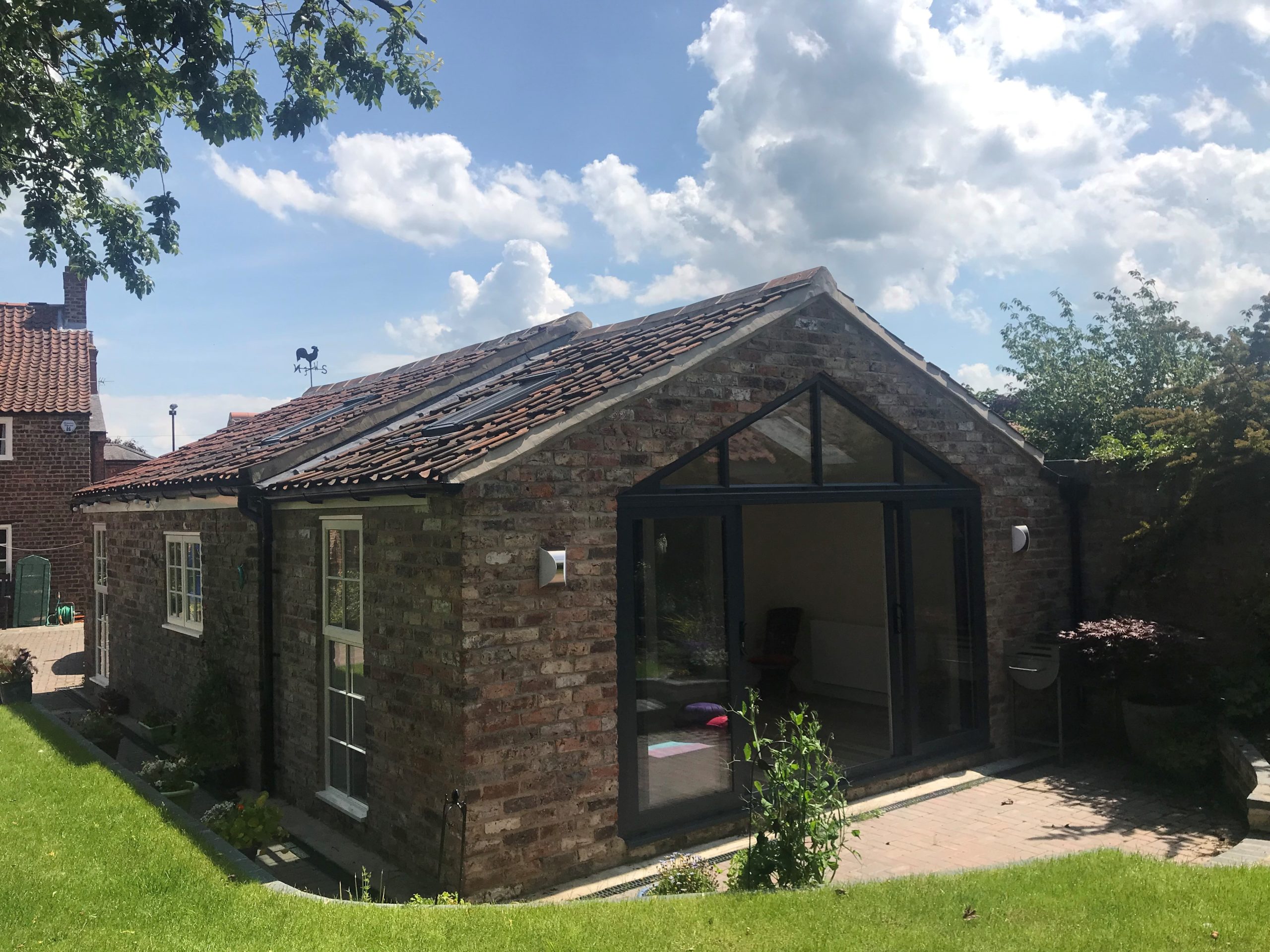
Permitted Development Rules Explained for Homeowners
Permitted development rules allow homeowners in England to carry out certain types of building work without applying for full planning permission. While this can make home improvements quicker and more straightforward, the rules are often misunderstood. Many projects that appear simple can still fall outside permitted development due to size limits, location, or previous changes to the property.
This guide explains permitted development in clear terms, what it covers, and where homeowners commonly get caught out. If you are new to online architectural services, understanding the benefits of online architectural services can also help clarify how professional advice can be accessed quickly and affordably.
What Is Permitted Development?
Permitted development rights are a national set of planning rules that grant automatic permission for specific types of work, provided strict criteria are met. These rights are designed to allow minor and moderate home improvements without overloading local planning authorities.
Permitted development applies mainly to houses, not flats or maisonettes, and only where the original planning permissions and conditions still allow those rights to exist. In some cases, homeowners are surprised to discover they already need permission, which is why it is important to understand when you don’t need planning permission and when you do.
What Can Usually Be Built Under Permitted Development?
Permitted development commonly covers certain types of extensions and alterations, but only within defined limits.
Rear extensions are often permitted, subject to depth and height restrictions that vary depending on the property type. Side extensions may be permitted but are usually restricted to single storey designs. Loft conversions can also fall under permitted development, although homeowners should be aware that the rules differ, as explained in do you need planning permission for a loft conversion.
Other works such as outbuildings, rooflights, and internal alterations may also be permitted, provided they meet location and size requirements and do not materially alter the appearance of the property.
Key Limits and Conditions Homeowners Must Follow
Permitted development rules include precise limits on height, depth, roof form, materials, and distance from boundaries.
Extensions must not exceed specific projections from the original rear wall. Height restrictions apply to both the overall structure and eaves. Materials are usually expected to be similar in appearance to the existing property, and side facing windows often need to be obscure glazed. Even small details can invalidate permitted development, which is why understanding planning application types can be useful when a project falls outside the rules.
When Permitted Development Does Not Apply
There are several situations where permitted development rights are restricted or removed entirely.
Flats and maisonettes do not benefit from permitted development rights for extensions. Properties in conservation areas or subject to additional controls may face tighter restrictions, while listed buildings almost always require formal consent. Homeowners should understand what a listed building is and what Grade II means before assuming any works are permitted.
Permitted development rights are also commonly removed on new build estates through planning conditions, meaning even small extensions require approval.
The Role of the Original House
Permitted development allowances are calculated based on the size of the original house as it was first built or at a defined historic point. Any extensions added since then count towards the total allowance.
This means that homeowners who already have extensions may have unknowingly used up their permitted development rights. Before progressing, it is sensible to check records and understand how to check for planning permission relating to previous works.
Lawful Development Certificates Explained
Although permitted development does not require planning permission, homeowners are strongly advised to apply for a lawful development certificate. This provides formal confirmation from the local authority that the work is lawful.
A lawful development certificate can be critical when selling a property and offers protection if the work is later questioned. This process forms part of the wider planning system explained in your guide to the planning permission process.
Common Mistakes Homeowners Make
A common mistake is relying on general advice without assessing how the rules apply to a specific property. Roof shape, boundary position, previous extensions, or environmental considerations such as protected species can all affect compliance. For example, some projects may require ecological assessments, as outlined in a guide to bats when you are extending or demolishing your property.
Another frequent error is starting work without written confirmation. Even if a project appears compliant, the local authority may disagree, leading to enforcement action.
Building Regulations Still Apply
Permitted development only removes the need for planning permission. Building regulations approval is still required for most extensions, loft conversions, and structural alterations.
Building regulations cover structure, insulation, fire safety, ventilation, drainage, and energy efficiency. Homeowners should familiarise themselves with a brief guide to the building regulations process and understand how compliance is confirmed through approvals such as what is a building regulation approval certificate.
Getting Professional Advice Early
Permitted development can be an efficient route for improving your home, but the rules are technical and unforgiving. Early professional advice helps ensure that designs, layouts, and roof forms remain compliant before work begins.
Using a professional design service that takes a project from design through to planning and building regulations, such as those outlined in planning to building regulations drawings, can significantly reduce risk and delays.
Final Thoughts
Permitted development rules offer real benefits for homeowners, but only when applied correctly. Understanding the limits, checking planning history, and securing written confirmation are essential steps before starting work.
If you are considering an extension, loft conversion, or alteration and are unsure whether it falls under permitted development, seeking professional advice early can save time, money, and avoid costly mistakes as your project progresses.
Sorry, the comment form is closed at this time.