
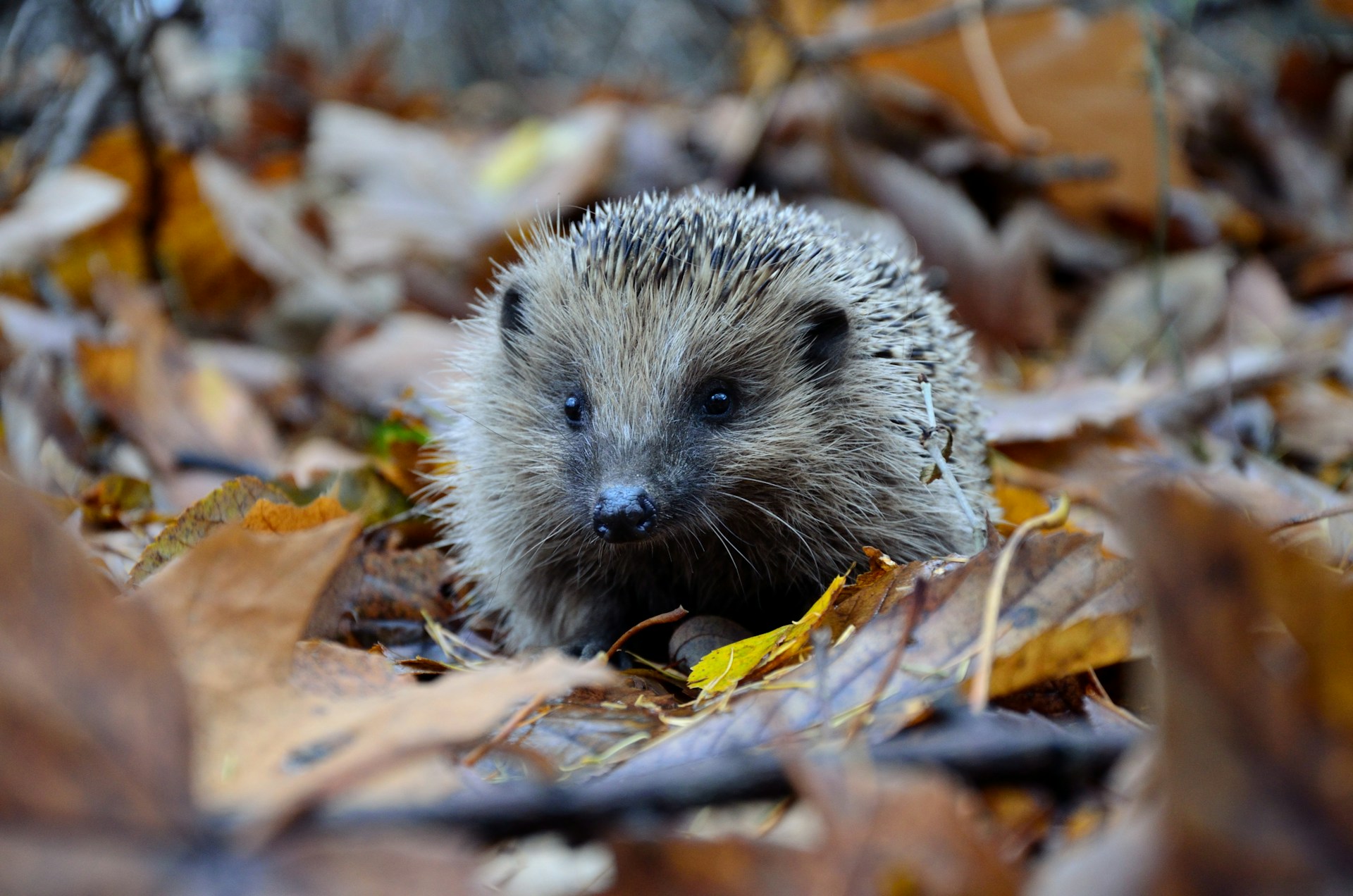
Helping Hedgehogs This Autumn
As autumn settles in and the nights grow colder, many of our wild garden visitors begin preparing for the long winter ahead. Among them is one of Britain’s most loved mammals — the hedgehog.
These charming, spiky little creatures need a safe, warm place to hibernate, and with hedgehog numbers in decline, our gardens can play a huge role in helping them survive the winter.
When and Why Hedgehogs Hibernate
Hedgehogs usually hibernate between November and mid-March, depending on the weather. As food becomes scarce and temperatures drop, they slow their heart rate and breathing to save energy. During this time, they live off the fat they’ve stored up through summer and autumn.
A hedgehog’s survival during hibernation depends on having enough body fat and a safe, insulated nest. Unfortunately, tidy gardens and urban development often mean fewer natural nesting sites — which is where we can help.
How to Make Your Garden Hedgehog-Friendly for Winter
Creating a hedgehog-friendly garden doesn’t have to be complicated. Even small changes can make a big difference for these little mammals during hibernation season.
- Make hedgehog highways – Cut a 13cm hole at the bottom of fences or gates to let hedgehogs move between gardens in search of food and shelter.
- Leave wild areas – Piles of leaves, twigs, and logs provide excellent nesting materials and shelter. Try not to tidy your garden too much in autumn.
- Avoid using slug pellets and pesticides – These can poison hedgehogs or the insects they eat.
- Provide food and water – Leave a shallow dish of fresh water and some hedgehog or cat food to help them build up fat reserves before winter. Never give milk, as they are lactose intolerant.
- Check bonfires and compost heaps – Hedgehogs love to nest in them. Always move piles before lighting fires.
- Make ponds safe – Add ramps or stones so hedgehogs can climb out if they fall in.
Build a Hedgehog House
If you want to go a step further, you can build a simple hedgehog house to give them a safe hibernation spot.
- Use untreated wood to make a box around 30cm x 40cm x 30cm.
- Add a tunnel entrance about 13cm square and 30cm long to keep predators out.
- Cover the roof with felt or plastic for waterproofing.
- Line the inside with dry leaves or straw for insulation.
- Place it in a quiet, sheltered spot, facing away from cold winds, and cover it with leaves or soil to blend in.
Once built, leave it undisturbed — a hedgehog might move in at any time of year.
Why It Matters
Since 2000, hedgehog numbers have fallen by over half in rural areas and by a third in towns. With fewer natural spaces and more hazards in our gardens, they need our help more than ever.
If you find a hedgehog that’s underweight, injured, or out during the day in cold weather, contact the British Hedgehog Preservation Society for advice: 01584 890801.
A Final Thought
Hedgehogs are quiet but vital members of our ecosystem. By leaving a little wildness in your garden and offering them a safe place to hibernate, you’ll be helping to protect one of Britain’s most endearing wild animals — and you might just spot your prickly guest again when spring arrives.
Sorry, the comment form is closed at this time.