
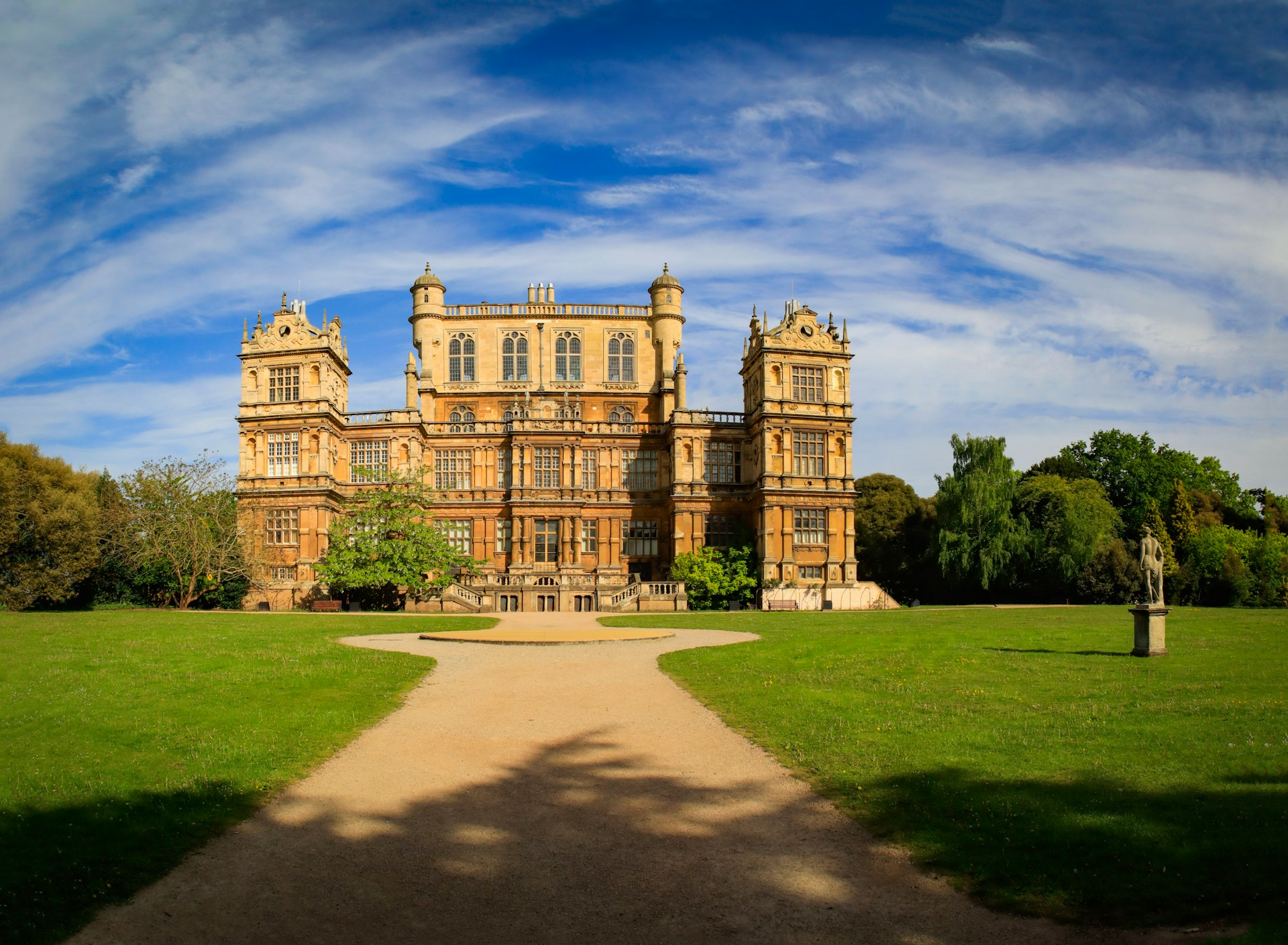
What Is a Listed Building (and What Does Grade II Mean?)
If you have ever come across the term listed building while buying, renovating, or extending a property, you might wonder what it actually means and why it matters.
In this guide, we explain what a listed building is, the different listing grades, and how owning a Grade II listed building affects your plans for renovation, extension, or conversion.
What Is a Listed Building?
A listed building is one that has been added to the National Heritage List for England because it is considered to have special architectural or historical interest. Listing helps to protect these buildings so that their design and heritage are preserved for future generations.
When a building is listed, it does not mean that no changes can ever be made. It simply means that any alterations, extensions, or demolitions will require listed building consent from your local authority. Even small updates, such as changing windows, doors, or roofing materials, might need approval.
If you are unsure how this process works, take a look at our dedicated page on Listed Building Consent to understand what is involved and how our team can help.
The Different Grades of Listing
Listed buildings in England and Wales fall into three main categories:
- Grade I – Buildings of exceptional national or architectural importance. These are rare and include landmarks such as cathedrals and castles.
- Grade II* – Particularly important buildings of more than special interest, making up about 5.5% of all listed buildings.
- Grade II – Buildings of special interest that warrant every effort to preserve them. This is the most common category, covering around 92% of listed buildings in the UK.
Most residential properties that are listed will fall into the Grade II category.
What Does Grade II Listing Mean?
Grade II listed buildings are protected because of their special character or significance but can still be updated or extended carefully.
Examples of Grade II listed buildings include:
- Georgian and Victorian houses
- Historic cottages and farmhouses
- Old schools, chapels, and town halls
- Industrial or agricultural buildings converted for modern use
When working on a Grade II property, any proposed design must preserve the key architectural details, such as original windows, staircases, beams, fireplaces, and façade features.
If you are planning an extension or adaptation, you can find more guidance on our Design & Planning Drawings page, where we explain how professional drawings help secure planning and heritage approvals.
What Permissions Do You Need?
For any alterations, extensions, or internal changes to a listed property, you will usually need Listed Building Consent before work begins. This is separate from your usual Planning Permission Drawings or Building Regulations Drawings.
Applications require detailed drawings and supporting information showing that the proposed work respects the building’s character.
Our online architectural team can prepare your listed building consent drawings, handle planning submissions, and guide you through the process from start to finish.
What Happens If You Do Not Get Consent?
Carrying out unauthorised work on a listed building is a criminal offence. Local councils have the power to enforce restoration or even take legal action if changes are made without approval.
Before starting any project on a historic or listed property, always seek professional advice and make sure your plans are properly prepared and approved.
You can see examples of heritage-sensitive projects on our Recent Work page.
How Online Drawing UK Can Help
At Online Drawing UK, we have extensive experience producing listed building drawings and heritage-sensitive designs. We provide a complete service that includes:
- Preparing drawings for Listed Building Consent applications
- Advising on design options that meet conservation requirements
- Managing planning submissions online, nationwide
- Coordinating with conservation officers and consultants where necessary
If your listed building also requires internal layout updates, our As Built Drawings service can provide accurate existing plans to support your application.
In Summary
A listed building is one protected for its architectural or historical value. Grade II listed buildings make up the majority of listings and can still be adapted and modernised if done sensitively and with the correct permissions.
If you are planning any changes to a listed or historic property, Contact Us to discuss your project. Our expert architectural team can prepare your drawings online, guide you through the consent process, and ensure your design complies with all heritage requirements.
Sorry, the comment form is closed at this time.