
Bringing Design: Why Biophilic Design is an Architectural Key to Wellness and Productivity
In our increasingly urban and digital world, it’s easy to feel disconnected from nature. We spend most of our time indoors, surrounded by concrete walls, sharp edges, and artificial light. But what if there was a way to transform indoor spaces into healthier, more inspiring places that help us feel calm, creative, and connected?
That’s exactly what Biophilic Design offers.
Rooted in the concept of biophilia—our innate human need to connect with nature—this design approach brings the natural world back into our homes, workplaces, and shared spaces. It’s more than adding a few plants; it’s about intentionally integrating nature’s forms, textures, and patterns into the built environment to improve both well-being and performance.
The Core Elements: A Direct Experience of Nature
Truly biophilic spaces are designed to create direct, sensory-rich experiences that mimic or evoke the natural world.
Vibrant Life
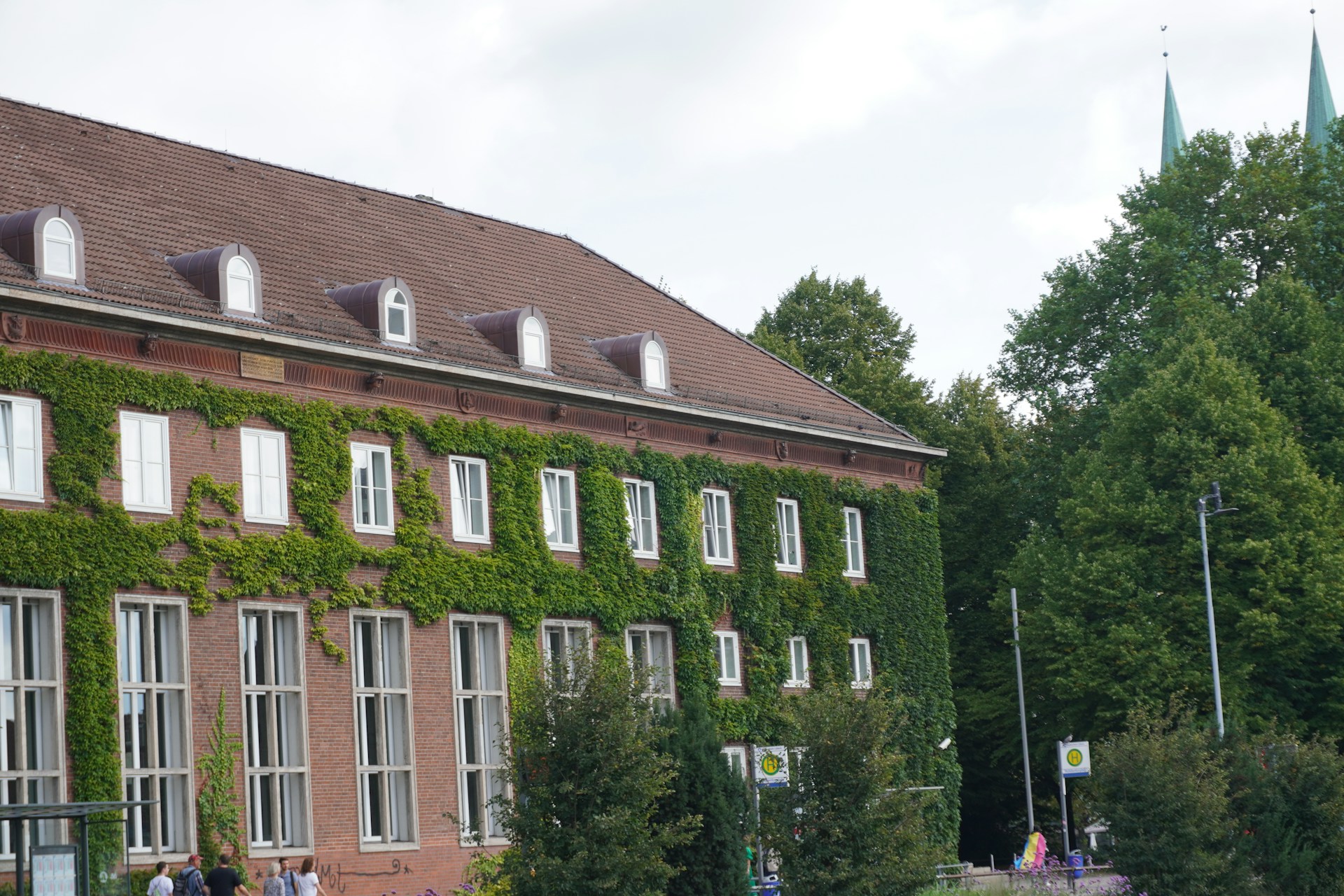
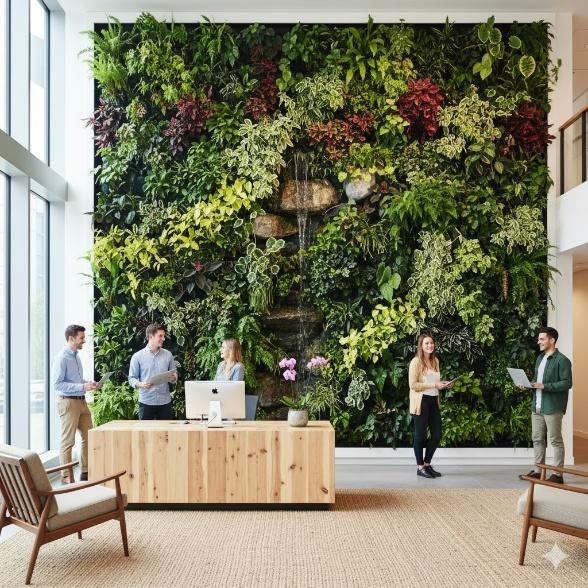
The simplest way to connect with nature is to bring it indoors. Incorporate green walls, living plants, or even water features that engage multiple senses. The sight and sound of moving water or the texture of living greenery create an immediate sense of tranquillity.
Natural Materials and Colours
Biophilic spaces make use of natural materials such as wood, stone, cork, and bamboo. These materials bring warmth, authenticity, and tactile variety to any space. The colour palette leans toward earthy browns, calming greens, and deep blues, echoing the tones found in forests, oceans, and skies.
The Beauty of Patterns (Fractals)
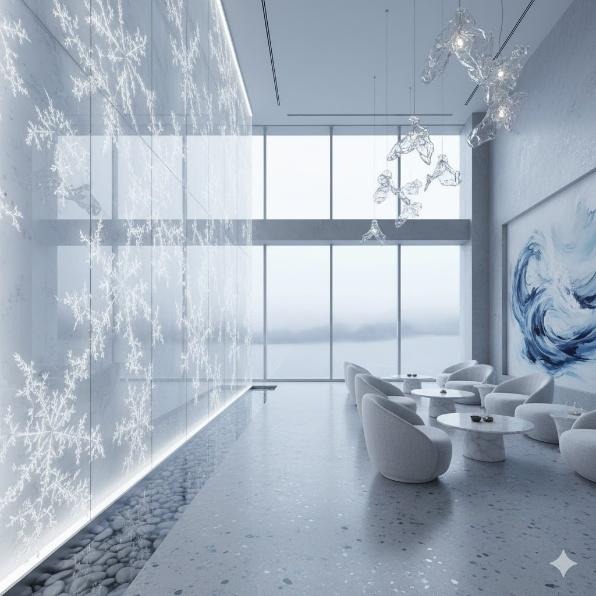
Nature is full of repeating yet imperfect patterns—known as fractals—seen in leaves, snowflakes, and coastlines. Integrating these organic, non-uniform shapes into design elements like textiles, wall art, or structural features creates comfort at a subconscious level. These patterns feel familiar to the human eye and have been shown to reduce stress.
Light and View
Maximising natural light and framing views of the outdoors is central to biophilic design. Exposure to daylight helps regulate our body’s circadian rhythm, supporting better sleep and higher energy levels. A well-positioned window or skylight can make all the difference, bringing movement, light variation, and a connection to changing weather patterns indoors.
Return on Design Investment: The Proven Benefits
Biophilic design isn’t just aesthetically pleasing—it has measurable benefits for mental health, productivity, and overall well-being. Spaces that evoke nature provide both openness and comfort, creating a balance between stimulation and calm.
Research and real-world applications show that incorporating nature-inspired elements into architecture can lead to:
- Reduced Stress and Fatigue: Natural light, greenery, and organic textures help lower cortisol levels and restore mental energy.
- Increased Productivity: Employees working in biophilic environments report higher focus, lower absenteeism, and improved job satisfaction.
- Enhanced Creativity: Natural environments boost cognitive flexibility, helping people think more clearly and innovatively.
- Improved Air Quality: Indoor plants and natural materials can enhance air circulation and reduce toxins, contributing to healthier environments.
Fostering a Deeper Connection
Beyond the measurable benefits, biophilic design has a powerful psychological and emotional impact. It reminds us of our connection to the living world and encourages us to care for the environment that sustains us.
By weaving elements of nature into the fabric of our buildings, we create spaces that nurture both people and planet. This philosophy is particularly powerful in homes, offices, schools, and healthcare settings—places where people spend the majority of their lives.
Whether you’re redesigning a workspace to enhance focus, creating a calming home retreat, or planning a restorative public space, biophilic design offers a human-centred approach that goes beyond function—it designs for life itself.
Even small changes can make a big difference. Add a few indoor plants, open your blinds, or choose natural materials for your next renovation project. Let the power of the outdoors transform your interior environment from sterile to serene.
Sorry, the comment form is closed at this time.