
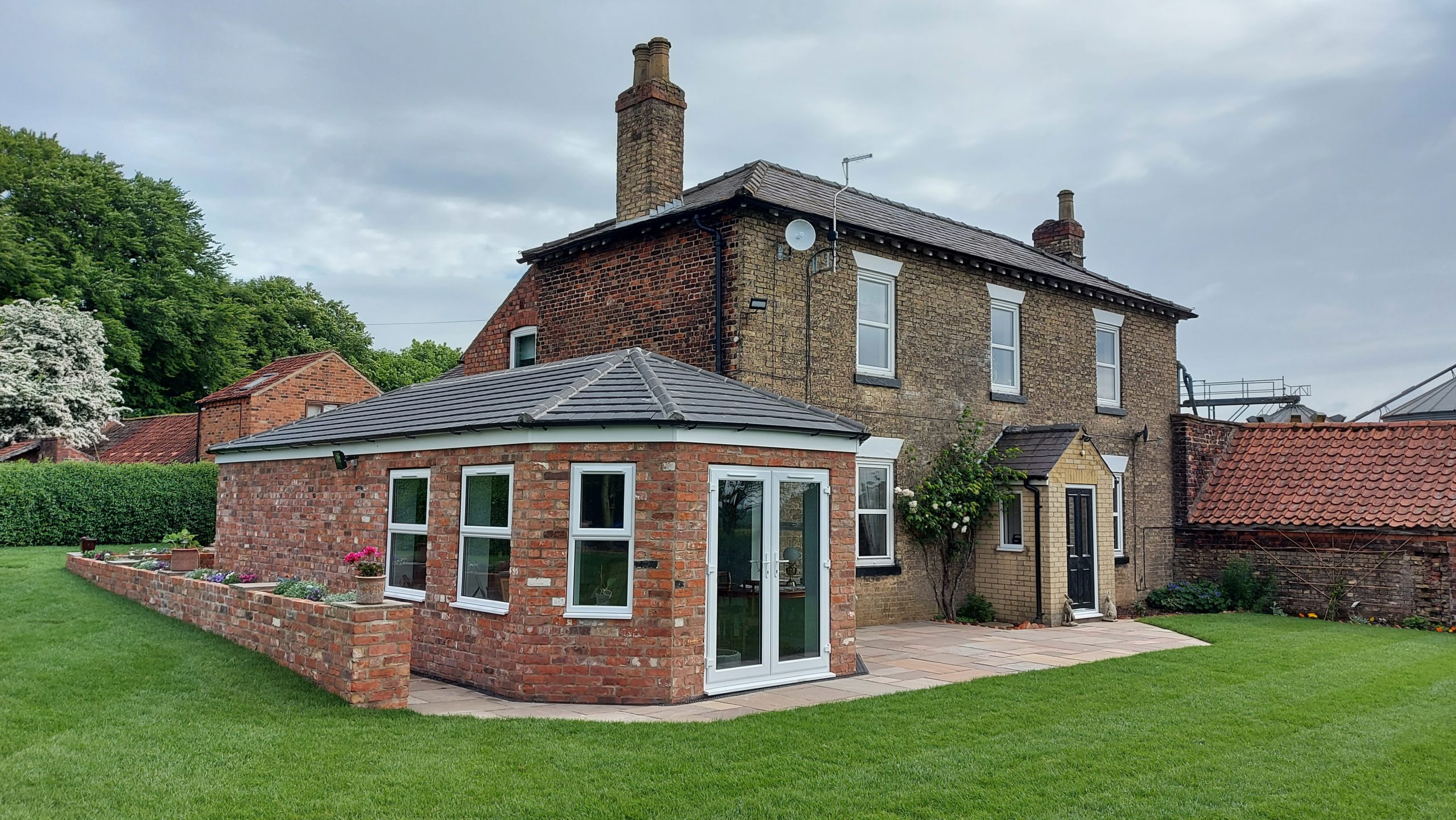
Do I Need Planning Permission for an Extension?
If you are thinking about extending your home, one of the first questions you are likely to ask is whether planning permission is required. The answer depends on the type of extension, the size, the location of your property and how it will affect neighbouring homes.
Understanding this early can save time, reduce stress and help your project move forward smoothly.
When planning permission is not required
Many house extensions can be built under permitted development rights, meaning you may not need to apply for full planning permission. These rights allow homeowners to make certain changes to their property without formal approval, provided specific criteria are met.
Permitted development commonly applies to:
- Single storey rear extensions within size limits
- Some side extensions
- Certain loft conversions
- Internal alterations
For example, many homeowners choose to proceed with projects using single storey extension plans that are designed specifically to comply with permitted development rules.
Even when planning permission is not required, the design must still meet building regulations and other legal requirements.
When planning permission is required
You will usually need planning permission if your extension:
- Exceeds permitted development size limits
- Is a double storey extension
- Is located to the front or side of the property
- Significantly alters the appearance of the home
- Impacts neighbouring properties
- Is on a listed building or within a conservation area
Larger projects such as double storey extensions almost always require planning permission due to their visual impact and scale.
If your home is in a conservation area or is a listed building, planning controls are stricter and additional consent may be required.
How extension size and location affect permission
The size and position of your extension play a major role in determining whether planning permission is needed.
Rear extensions are more likely to fall under permitted development, while side and front extensions are more tightly controlled. Height, depth and proximity to boundaries are all assessed against planning rules.
Local planning authorities also consider factors such as overshadowing, loss of privacy, visual impact and how the extension fits with the character of the area.
Do I still need drawings if it’s permitted development?
Yes. Even if your extension does not require planning permission, professional drawings are still essential.
You may need drawings to:
- Confirm the work is permitted development
- Apply for a lawful development certificate
- Obtain building regulations approval
- Get accurate builder quotations
Clear and accurate design and planning drawings help avoid issues later and give you confidence that your project is legally compliant.
Building regulations approval
Whether or not planning permission is required, most extensions will need building regulations approval. This ensures the work meets safety, energy efficiency and structural standards.
Detailed technical drawings are required at this stage, covering structure, insulation, drainage, ventilation and fire safety. You can learn more about the process through planning to building regulations drawings.
How to check if you need planning permission
The safest way to find out whether planning permission is required is to assess your specific property and proposal. Rules can vary depending on previous extensions, local restrictions and property type.
Working with an experienced architectural designer helps ensure the design is compliant from the outset and avoids costly redesigns or delays.
If planning permission is required, your designer can prepare and submit the application, respond to feedback and adjust the design if needed.
Start your extension with confidence
Planning permission can feel complex, but it does not have to be. Many extensions move forward smoothly with the right advice, clear drawings and a well considered design.
If you are planning an extension and want clarity on whether planning permission is required, getting professional guidance early can save time and give you confidence to move forward.
A successful extension starts with understanding the rules, designing within them and planning properly from day one.
Sorry, the comment form is closed at this time.