
Is a Vaulted Ceiling the Right Fit for Your Home?
Vaulted ceilings have become a popular feature in modern home design, particularly in extensions, loft conversions and open plan living spaces. They can dramatically change how a room feels, adding height, light and a sense of openness that flat ceilings often cannot achieve. However, they are not always the right solution for every home.
If you are considering a vaulted ceiling, it is worth weighing up the benefits, practical considerations and how it fits into your wider project.
What is a vaulted ceiling?
A vaulted ceiling follows the pitch of the roof rather than sitting flat across the room. This can create additional head height, expose roof structure or allow for larger roof windows and skylights.
Vaulted ceilings are commonly introduced as part of loft conversions, extensions and internal reconfigurations where the roof structure is already being altered. They are especially effective in rooms where natural light and a feeling of space are key priorities.
If you are planning a loft project, it is worth exploring how a vaulted ceiling could work alongside professional loft conversion drawings to maximise both space and comfort.
The benefits of a vaulted ceiling
One of the biggest advantages of a vaulted ceiling is how spacious it makes a room feel. Even modest sized rooms can feel significantly larger once the ceiling height is increased.
Natural light is another major benefit. Vaulted ceilings work particularly well with roof lights or lanterns, allowing daylight to penetrate deeper into the space. This can be especially effective in rear extensions or attic spaces.
From a design perspective, vaulted ceilings add character. Whether finished with clean plaster lines, exposed beams or subtle angles, they can elevate a room from functional to standout.
Where vaulted ceilings work best
Vaulted ceilings tend to work best where there is already roof height to utilise. This makes them a natural fit for loft conversions and single storey extensions with pitched roofs.
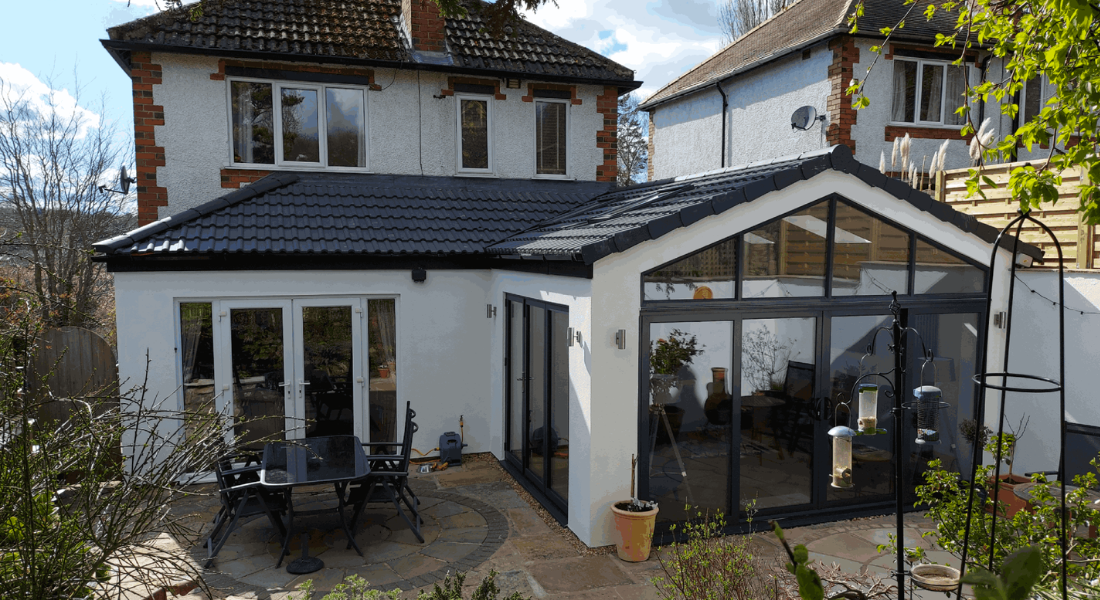
They are also effective in open plan layouts, where a change in ceiling height helps define zones without the need for walls. Many homeowners choose vaulted ceilings as part of single storey extension plans to create a strong visual connection between kitchen, dining and living areas.
Homes with modern insulation standards and glazing generally suit vaulted ceilings better, as temperature control is easier to manage.
Practical considerations before committing
Despite their visual appeal, vaulted ceilings do come with practical considerations.
Heating and insulation must be carefully designed. A larger volume of air can be more expensive to heat if insulation and ventilation are not properly addressed. This is something that should be resolved at the working drawings and building regulations stage.
Acoustics can also change. Sound may travel more freely in rooms with higher ceilings, which can be a positive or a drawback depending on how the space is used.
Storage is another important factor. Removing a flat ceiling often means losing loft storage, which may be a concern in family homes.
Finally, not every property style suits a vaulted ceiling. In some traditional or compact homes, they can feel out of place if not designed carefully.
Planning and building regulations
Introducing a vaulted ceiling may involve structural changes, especially if roof timbers are altered or removed. Building regulations approval is usually required to ensure the structure, insulation, fire safety and ventilation meet current standards.
In some cases, planning permission may also be needed if the external roof profile changes. Properties in conservation areas or listed buildings will need additional consideration. If this applies to your home, guidance on conservation areas or listed building consent is essential before moving forward.
Professional input from both architectural designers and, where required, a structural engineer can help ensure the design is safe, compliant and buildable.
Is a vaulted ceiling right for you?
A vaulted ceiling can be a fantastic feature when it suits the space, structure and lifestyle of the household. It can transform a room, increase natural light and create a strong sense of design quality. However, it should always be considered alongside practicality, comfort and long term use.
If you are planning an extension, loft conversion or internal reconfiguration, speaking to an experienced designer early on can help you understand whether a vaulted ceiling is the right fit and how to make it work effectively.
A well designed vaulted ceiling is not just about height. It is about balance, usability and creating a space that feels as good to live in as it looks.
Sorry, the comment form is closed at this time.