
Decoding UK Building Regulations: Your Essential Guide to a Safe Build
Thinking about extending, renovating, or building a new home? Understanding UK Building Regulations isn’t just a good idea—it’s a legal requirement. These standards are an integral part of any construction project, ensuring every build is safe, healthy, and energy-efficient for everyone involved.
Don’t confuse them with Planning Permission. They’re two separate things. Building Regulations focus on how the building is constructed, while Planning Permission focuses on what you can build.
Before you start any physical work, your plans must be submitted—ideally after getting an accurate Architectural Home Survey—to either an Approved Building Control Inspector or your local authority. Throughout the project, your inspector will visit the site at key stages to check the work and offer advice.
The Building Control Process: A 4-Step Journey
For a complete overview of how our online process works, see How It Works. Below is a simple breakdown of how Building Control ensures your design and construction methods meet all technical requirements.
1. Application
Most projects start with a formal application and a set of technical drawings submitted to Building Control. This begins the compliance process and sets the foundation for your approval.
2. Plan Check
Your drawings and specifications will be thoroughly reviewed by Building Control officers. This stage ensures your design complies with all relevant regulations before construction begins. High-quality Building Regulations Drawings are crucial here—they demonstrate compliance and reduce the risk of rejections or costly redesigns later.
3. Inspections
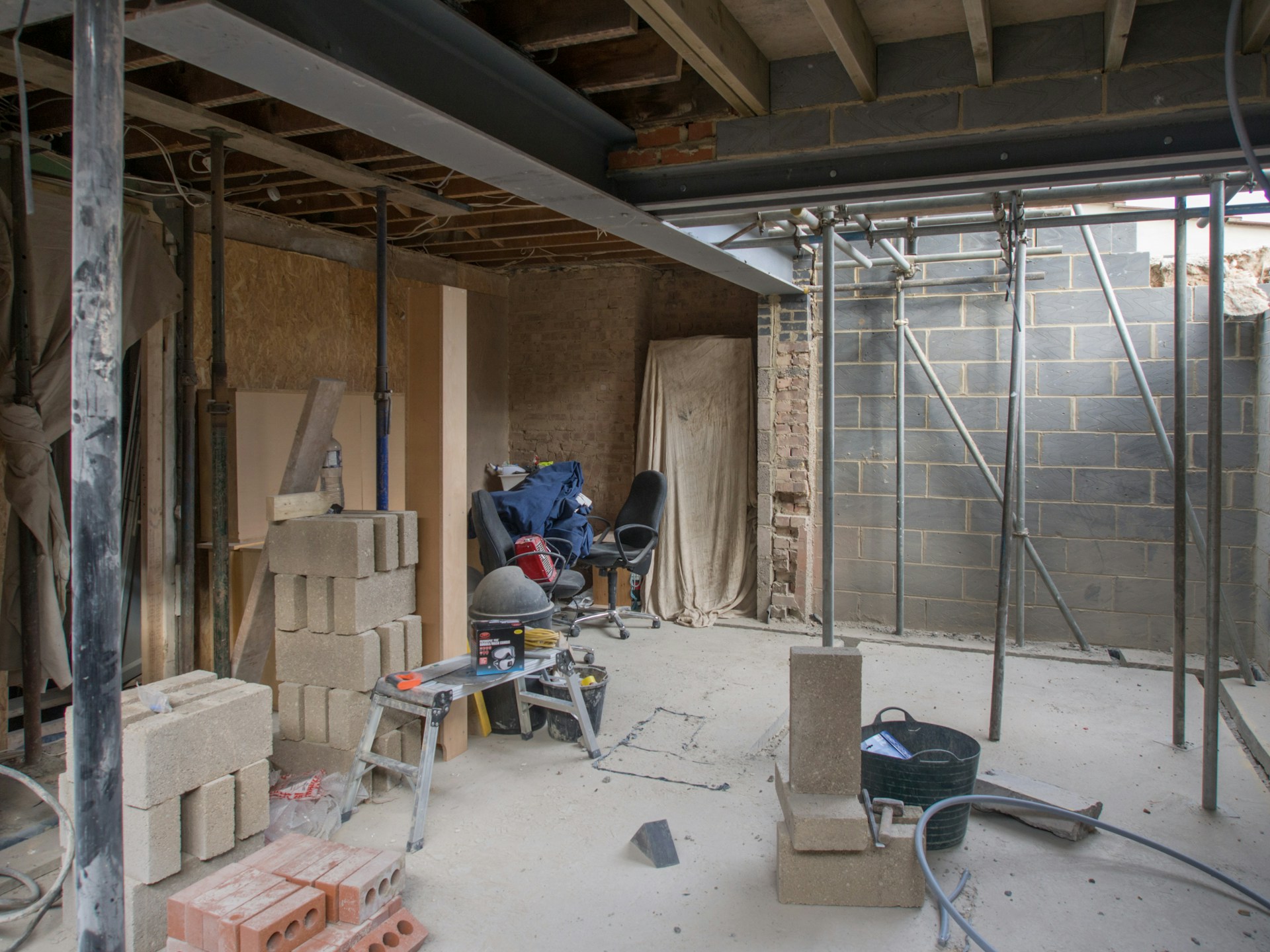
Once construction starts, Building Control must be notified. Inspectors will visit your site at several key stages, such as foundation excavation, drainage installation, and roof structure completion. These checks verify that the work on site matches your approved plans and meets all regulatory standards. They’ll often refer back to your approved Working Drawings during inspections.
4. Approval
When your project is complete and passes the final inspection, you’ll be issued a Completion Certificate. This is essential documentation for selling or re-mortgaging your property. You may also need As-Built Drawings to record the final construction details.
What Do Building Regulations Actually Cover?
Building Regulations cover a wide range of technical standards designed to keep your property safe, efficient, and sustainable. Some of the most important include:
- Overall Integrity: Ensures the building is structurally sound and safe for long-term use. For major structural changes such as a single storey extension or double storey extension, you may need advice from a qualified Structural Engineer.
- Fire Safety: Covers everything from the fire resistance of materials to escape routes and smoke detection systems. See our guide on Building Regulation Part B for more on this critical topic.
- Health and Accessibility: Ensures adequate ventilation, drainage, and accessibility for all users, including those with disabilities. Learn more about inclusive design on our Accessibility and Disability Adaptation page.
- Energy Efficiency: Sets standards for conserving fuel and power, including insulation performance and renewable technologies such as an Air Source Heat Pump.
- Gas and Electrical Safety: All new or modified systems must be tested and certified by qualified professionals to ensure safety and compliance.
Who Takes Responsibility? (The Duty Holder)
It’s a common misconception that the builder alone is responsible for Building Regulations compliance. In reality, the property owner or client holds ultimate responsibility.
As the client, you must appoint duty holders in writing:
- A Principal Designer (under the Building Safety Act 2022) to manage design compliance
- A Principal Contractor to oversee construction safety and implementation
If your project involves a High-Rise Residential Building (HRB), you must also notify the Building Safety Regulator (BSR) before work begins.
You can read more about the design-side duty holder role in our post on the Principal Designer (Building Regulations) and how it shapes compliance under the new safety framework.
Why Compliance Is Non-Negotiable
Meeting Building Regulations isn’t optional—it’s a legal obligation. Building Control inspections give you peace of mind that your property is safe, durable, and fit for purpose. Failing to comply can lead to serious consequences, including:
- Legal action and heavy fines
- Enforcement orders requiring you to fix or demolish non-compliant work
- Resale complications if you don’t have a valid Completion Certificate
Remember: Planning Permission and Building Regulation Approval are separate. Even if your planning application is approved, you still need Building Control approval before construction. This is especially important if your property is a Listed Building or located within a Conservation Area, as extra permissions may apply.
Sorry, the comment form is closed at this time.